CN11 Update: A Better Balance for Heritage Windows
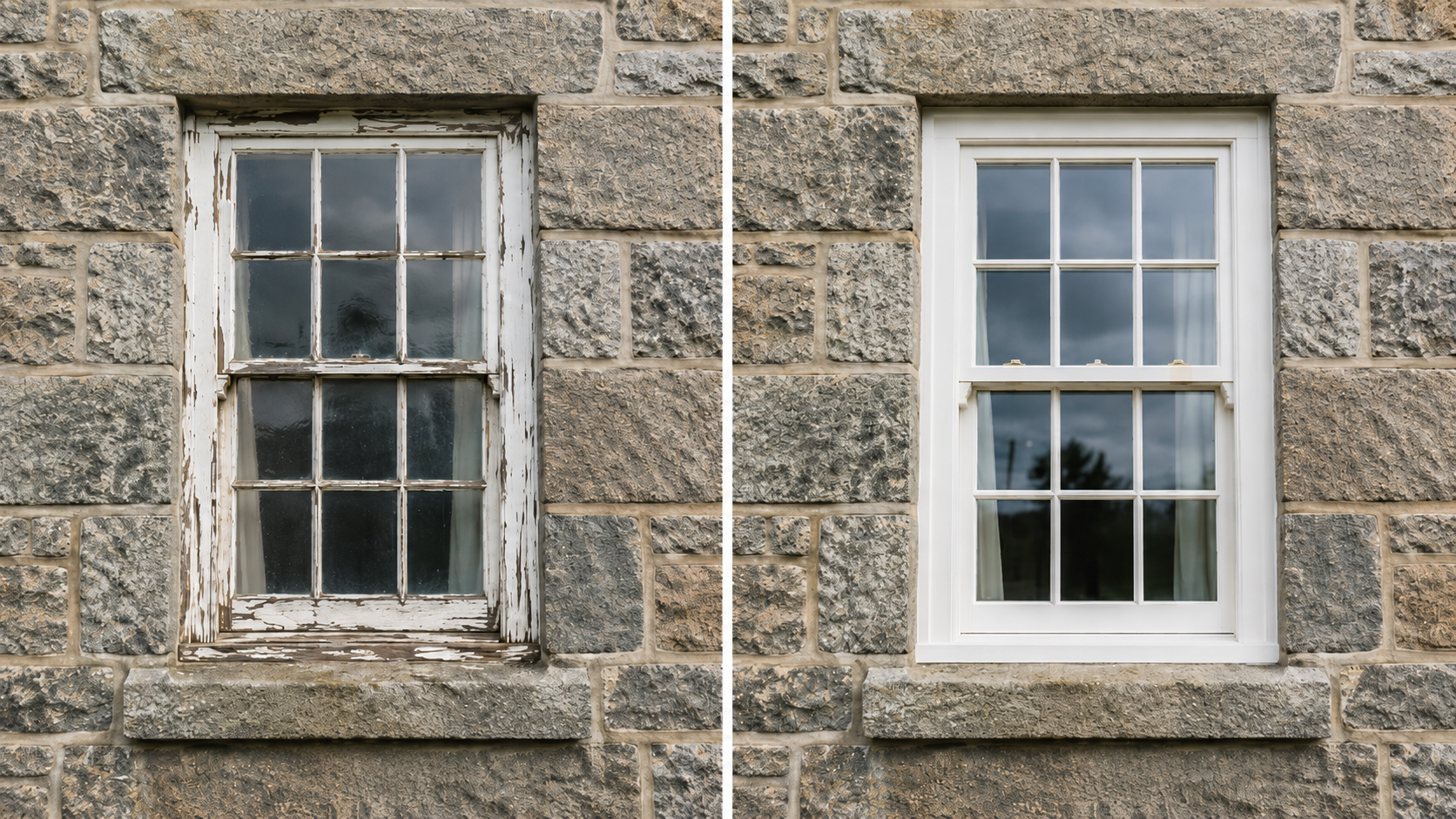
Protected buildings are not museums.
The revised Conservation Advice Note 11: Windows and Doors in Protected Buildings, published in April 2026, marks a sensible shift, allowing high-quality replacement windows where they are justified by evidence, condition and design.
The new guidance recognises a simple but important point: protected buildings are not museums. They need to be used, maintained and adapted if they are to survive. That does not mean removing the character that makes them special. It means taking a more balanced view.
SOUP Architects were pleased to help the Planning Department consider these much-needed changes, particularly around giving people more flexibility where replacement windows or doors can be justified.
A more balanced approach
The biggest change is that CN11 no longer treats every historic window in the same way. Instead, it asks how important each window or door is to the building.
Some windows are rare, beautifully crafted and central to the character of a protected building. These should still be repaired and retained wherever possible. Others are more common, have already been replaced in the past, or contribute little to the building’s special interest. In those cases, replacement may now be acceptable, provided the new window is well designed and respects the building.
This is a much fairer approach. It protects the best historic details, while allowing sensible upgrades where the harm is limited or where the result may actually improve the building.
Double glazing has a clearer route
One of the most positive changes is that double glazing is now accepted in principle in more situations. For common historic windows, and for some windows with special features, the guidance allows replacement where the new window closely matches the original appearance.
This matters. Many protected properties suffer from draughts, condensation, heat loss and noise. Better windows can improve comfort, reduce energy use and help owners continue investing in their buildings.
The key is quality. A replacement window still needs to look right. The proportions, opening style, glazing bars, timber profiles and overall character all matter. But the updated guidance now gives applicants a clearer and more realistic path.
Aligned with the DPA’s new priorities
This change also fits closely with the priorities set out by Deputy Neil Inder, President of the Development & Planning Authority. His stated priorities include listening more actively to applicants, developers, agents and environmental groups; treating people fairly; supporting better use of existing buildings; and reviewing whether protected buildings should be allowed replacement doors and windows, rather than repair only, with energy efficiency properly considered.
Deputy Inder has also spoken about the need to protect Guernsey’s older buildings without locking them into a world of draughty windows and poor insulation. That is exactly the balance CN11 now starts to address.
What homeowners should do next:
The updated guidance does not mean every window can be replaced. Planning permission will still be needed, and each case will be judged on its merits.
However, homeowners now have a clearer route. The best applications will explain what the existing windows are, whether they are original or later replacements, what condition they are in, and how the proposed new windows will protect or improve the appearance of the building.
In simple terms: good evidence, good design and good detailing will matter.
A positive step for Guernsey
CN11 is not a relaxation of heritage protection. It is a more intelligent version of it.
It recognises that Guernsey’s protected buildings need care, investment and practical improvement. By allowing more flexibility, particularly around high-quality timber replacement windows and double glazing, the guidance should help owners make their homes warmer and more efficient while still protecting the character of the island’s historic buildings.
For Guernsey, this is a sensible and overdue shift: one that supports conservation, sustainability and everyday living in equal measure.
Link to CN11 guidance