Windows and Doors in Protected Buildings in Guernsey
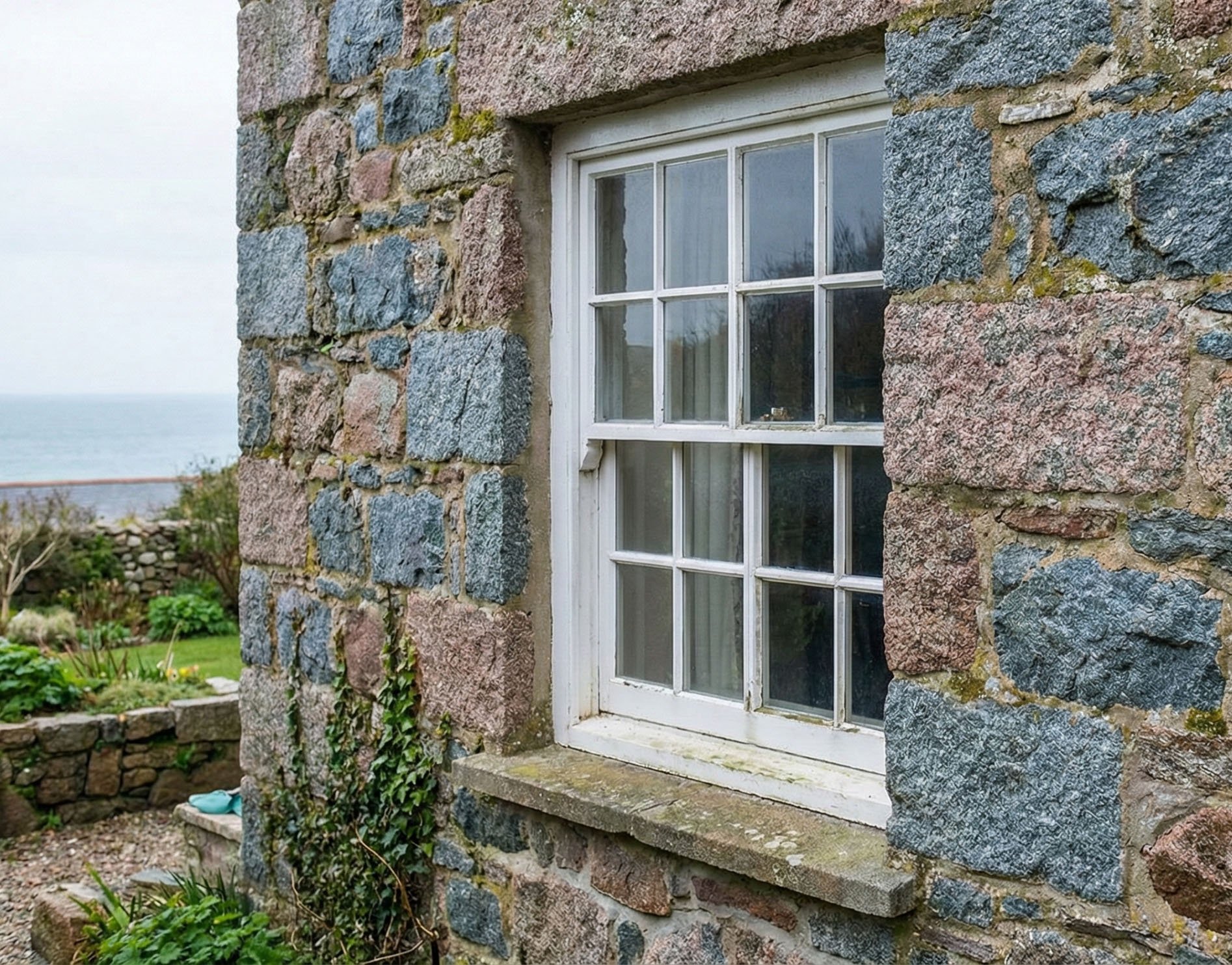
Do you own a protected building in Guernsey?
If you are considering upgrading windows and doors in a protected property, CN11 is the primary guidance you need to understand first, as it sets out the principles and evidence the DPA will expect when assessing repair, alteration, or replacement.
Guernsey’s Conservation Advice Note 11 (CN11), Windows and Doors in Protected Buildings, explains how the Development and Planning Authority considers proposals affecting external joinery on protected buildings. It starts from a balanced position: protected buildings are an important part of Guernsey’s heritage, but they are not museums, and change is often necessary to sustain them.
CN11 is also explicit that common drivers such as reducing draughts, improving thermal comfort, addressing decay, and reducing carbon are legitimate considerations. The key is how those benefits are weighed against any harm to the building’s special interest, under IDP Policy GP5.
The CN11 decision framework: detracting, neutral, positive
CN11 asks a simple first question: how important are the existing windows or doors to the building’s overall special interest? It then places them into one of three categories:
1) Detracting units
Later or inappropriate replacements that diminish the protected building. CN11 treats these as an opportunity to enhance, and supports the principle of replacement.
2) Neutral units
Units that are broadly appropriate in configuration and opening method, but are not important to the building’s special interest. CN11 also supports the principle of replacement here, with the emphasis on an appropriate design response. Double glazing is acceptable.
3) Positive units
Historic or specially detailed joinery that contributes to special interest. CN11 expects these to be retained where possible. Replacement is typically only supported where they cannot reasonably be repaired or altered to address draughts or heat loss. Where replacement is necessary, the expectation is like for like, with allowance for double glazing and modern manufacturing tolerances.
Repair and minor upgrades may not need permission
CN11 notes that even where windows and doors need to be retained, they can usually be altered or upgraded to address draughts and heat loss, and rot can often be repaired. It also notes that such works can fall under Class 3 exemptions (repair, maintenance and minor alteration), meaning a planning application may not be required.
The policy direction is moving: net zero and current DPA priorities
Guernsey’s net zero trajectory is increasing focus on how existing buildings, including protected buildings, can be upgraded sensibly. The DPA’s current priorities have also highlighted this tension, including a stated intention to review the listing process and explore permitting replacement of doors and windows in listed buildings rather than a repair-only mindset, with consideration of energy efficiency.
How SOUP Architects can help:
If you are considering work to windows and doors in a protected building, we can help you navigate CN11 with a clear, evidence-based route to a warmer, more efficient home.
Significance-led appraisal: identify what is positive, neutral, or detracting, and what that means for the strategy.
Repair versus replace options: develop a proportionate path that aligns with CN11 and your comfort and energy
High-performance timber solutions: we are working with joiners/suppliers to detail energy-efficient timber windows that can achieve low U-values while respecting proportions, sightlines, opening methods, and detailing expected in protected buildings.
Application-ready information: produce the drawings, schedules, photos, and supporting narrative CN11 anticipates, including the level of technical detail required where material change is proposed.
Pre-application engagement: early alignment on principles, followed by a disciplined detail set to reduce risk at application stage.
If you would like to discuss your property, your priorities, and the most sensible route under CN11, please get in touch via our contact form.