Building in the Countryside: Understanding NPPF Paragraph 84
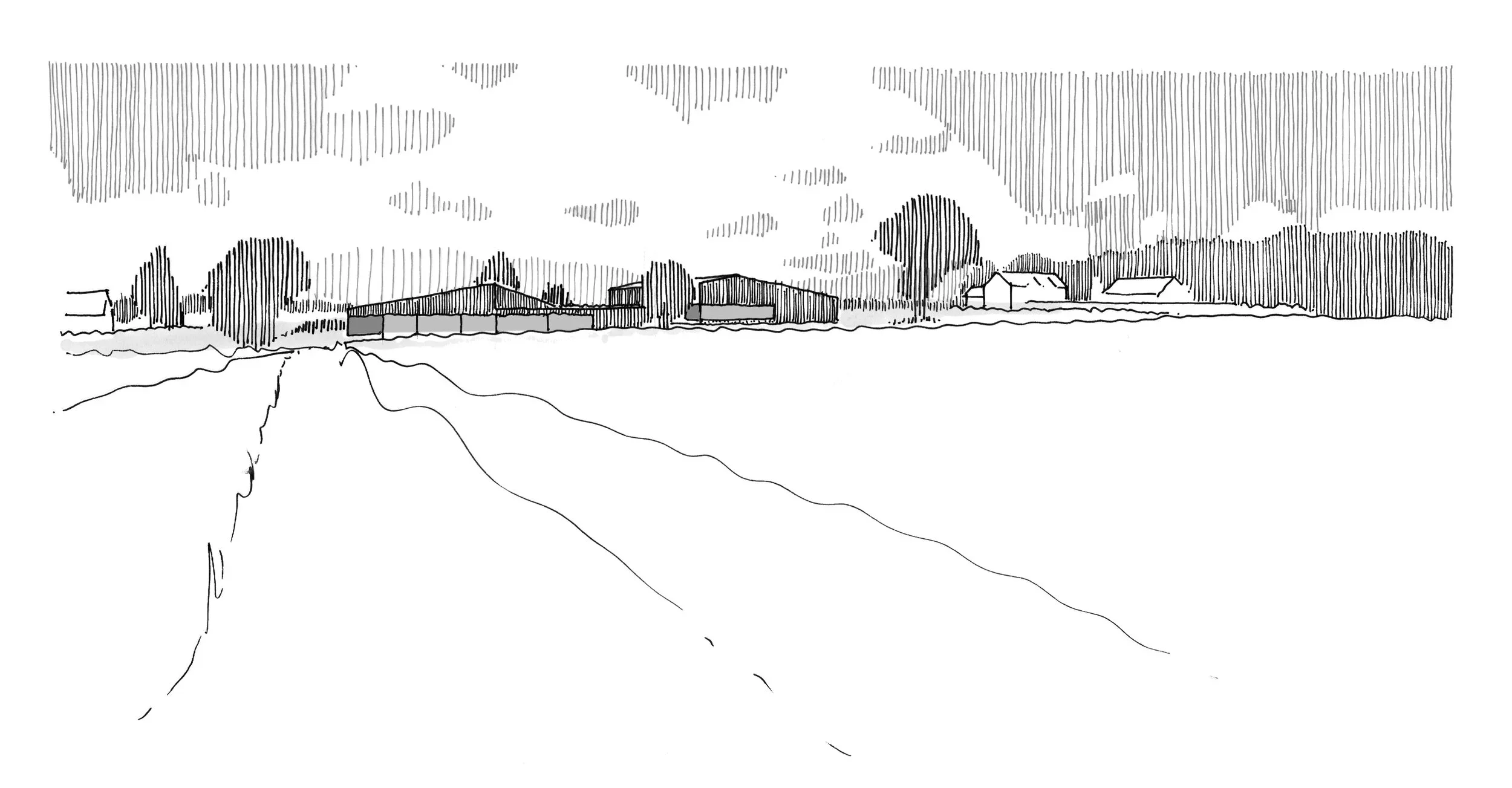
Navigating the NPPF’s Exceptional Design Route
National planning policy in England is intentionally cautious about new, isolated dwellings in open countryside.
The National Planning Policy Framework currently states that planning policies and decisions should avoid the development of isolated homes unless one of a small number of exceptions applies.
For clients and design teams pursuing a genuinely site-specific, landscape-led home, the most discussed route is the “exceptional quality” design exception, now found at Paragraph 84(e). This is the policy pathway that can, in limited circumstances, enable a new home where development would usually be resisted. It is also why the term “Paragraph 80 house” still circulates, even though the paragraph number has changed.
A brief history: why it is called Paragraph 84?
This countryside “exceptional design” test has been retained through several updates to the NPPF, but its paragraph number has shifted over time:
2012 NPPF: Paragraph 55
2018 NPPF: Paragraph 79
2021 NPPF: Paragraph 80
2024 NPPF (current): Paragraph 84
The phrase “Paragraph 80 house” therefore tends to describe the concept, rather than the current numbering.
What Paragraph 84 is trying to do?
Paragraph 84 is not a route for a simply well-designed home in a rural location. It is a deliberately narrow exception intended to allow a very small number of schemes where the design quality is genuinely exceptional, and where the proposal can be shown to enhance its setting. In simple terms, the policy is designed to resist sporadic countryside housing, while allowing rare, exemplary proposals that raise the standard of rural design.
Paragraph 84 lists several circumstances where isolated homes may be supported. The exceptional design route is the final limb. In summary, it requires that:
The design is truly outstanding, reflecting the highest standards in architecture, and would help raise design standards more generally in rural areas; and
The proposal would significantly enhance its immediate setting, and be sensitive to the defining characteristics of the local area.
These tests are demanding by design. They are not met by “nice architecture” alone. They require an evidence-led case that the scheme is exceptional in conception, execution, and relationship to landscape.
Why it is a difficult process in practice?
Paragraph 84(e) is challenging because it asks decision-makers to grant permission in a location where policy begins from restraint. The bar is intentionally high, and the judgement is qualitative. A proposal must demonstrate it is not merely competent or attractive, but exceptional, and that it improves its setting rather than simply occupying it.
In practice, successful schemes typically rely on a rigorous and coherent narrative across several fronts:
A clear design thesis rooted in place
The strongest proposals begin with the site’s landscape structure, long views, approach, and rural pattern. The architecture follows from this, rather than being applied to it.Landscape-led enhancement, not mitigation
“Enhancing the setting” means more than reducing harm. It usually involves a positive landscape strategy, such as repairing field boundaries, improving biodiversity, refining access, and shaping how the building is seen and experienced over time.Sensitivity to local defining characteristics
This is not about pastiche. It is about understanding what defines the locality and responding intelligently, whether through massing, grain, material choices, and how the building sits within the landscape.Exceptional design quality in resolution, not only concept
The policy expects excellence not only in the big idea but in its delivery, including plan clarity, proportion, tectonic logic, detailing, and how architecture and landscape work as a single proposition.A planning argument that directly addresses the policy wording
The submission needs to test the scheme against the specific Paragraph 84(e) requirements with clarity and evidence, rather than relying on general claims about design quality.
SOUP Architects’ experience
SOUP has been successful in securing planning permission under this policy route, including our Tractor House and Grain Store project. Paragraph 84 (and its earlier numbering) is one of the most exacting frameworks a new home can be designed under, and success depends on aligning a compelling architectural vision with a disciplined landscape and planning strategy.
If you are considering a Paragraph 84 home, the most valuable early step is a feasibility discussion around site selection, planning risk, and a design approach that can credibly meet the exceptional quality threshold. If you would like to explore this, please get in touch via our contact form and we can advise on next steps.